Industrial & bulk extract
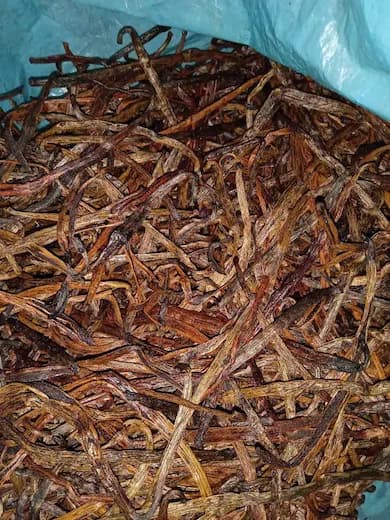
Grade C Madagascar Vanilla Beans (Industrial Grade)
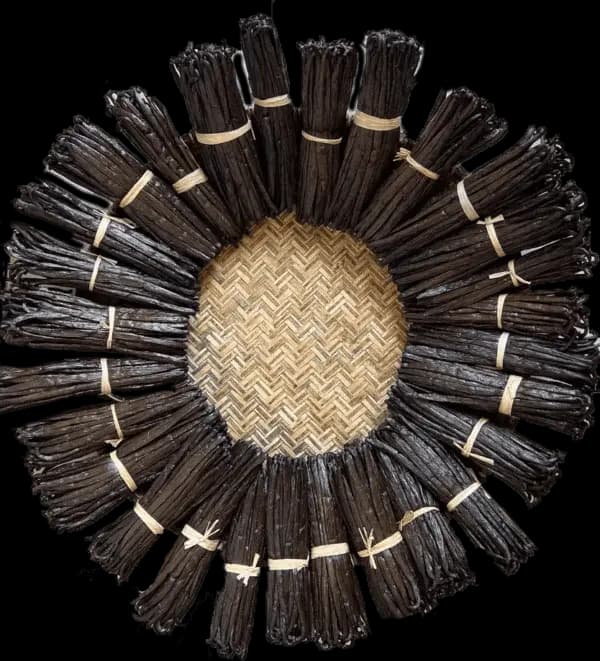
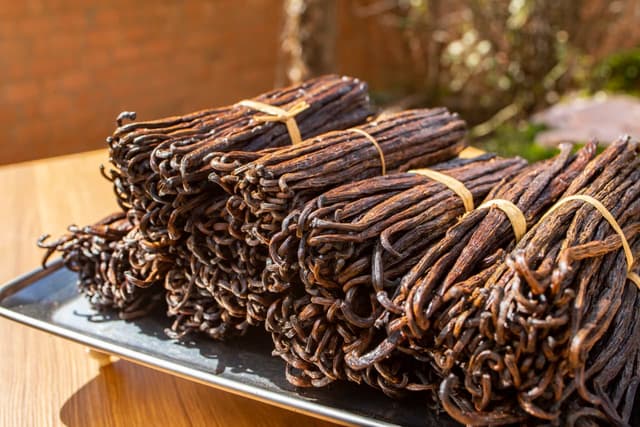
Industrial-grade 'kitsa' cuts — the most cost-effective Madagascar vanilla for large-scale extract production and vanilla powder manufacturing.
For bakeries, extract makers, gourmet brands & resellers. Repeat supply available. Standard export documentation on every shipment. DHL Express from Madagascar.
Order online · Instant checkout
DHL ExpressInstant checkout up to 10 kg · 10 kg+ or recurring → bulk quote below
Bulk & recurring supply
Reply within 1 business day · Export documentation prepared for shipment · Recurring supply available subject to lot availability and agreed terms
Request Bulk QuoteFrom $189.00
- Direct from SAVA·
- Export-ready·
- Phytosanitary·
- Export Documentation·
- Lab Reports Available·
- DHL Express worldwide
Product Details
Frequently Asked Questions
What are kitsa vanilla cuts?
Kitsa is the Malagasy term for the cut and broken pieces of vanilla beans — shorter lengths, split pods, and fragments that don't qualify for Grade A or B standards. Grade C vanilla beans have a minimum vanillin specification of 0.8%. Actual levels vary by batch, and the grade is also defined by moisture, appearance and intended industrial use.
Is Grade C vanilla safe for food use?
Yes. Grade C vanilla beans are 100% natural Madagascar Vanilla planifolia, grown and cured in the SAVA region. They meet food-grade standards for industrial extract and powder production. Every export shipment is prepared with a phytosanitary certificate, commercial invoice, and packing list as standard documentation. Certificate of Origin or laboratory analysis can be added when required for the destination, shipment, customs process, or customer requirements.
Grade C vanilla beans — also called industrial cuts or kitsa — are the most economical form of Madagascar Bourbon vanilla.
They naturally include short pieces, splits, and dry or broken beans, making them ideal for industrial extraction, powder production and large-batch processing, not for culinary presentation.
This grade is classified based on:
-
shorter length
-
irregular or mixed appearance
-
moisture of 15–20%
-
Vanillin content is at least 0.8%, with actual levels varying by batch
Though not suitable as whole-bean “gourmet” vanilla, Grade C offers the best cost-to-yield ratio on the market.
Learn more on vanilla bean grades in this article.
Practical Uses of Grade C Vanilla Beans or Vanilla cuts
Grade C vanilla beans are extremely versatile and widely used across food and fragrance industries:
-
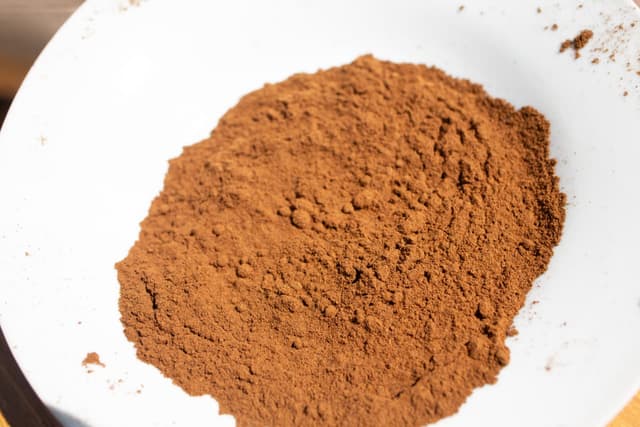
ground vanilla powder → used in baking, confectionery, chocolate, beverages
-
Pure vanilla extract → especially medium to large-scale producers
-
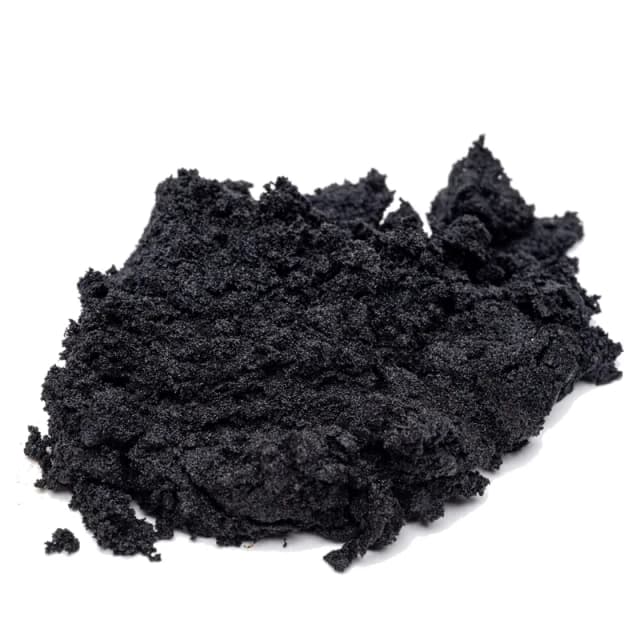
Oleoresin & vanilla absolute → fragrance, cosmetics, natural perfumery
-
Organic aromas → natural flavor manufacturers
-
Industrial food production → where yield and cost-efficiency matter
Their low moisture and open structure allow fast, efficient extraction, making them the preferred choice for economical large-batch production.
Industry Practice: Blending Grade B + Grade C for Better Extracts
In Madagascar and internationally, many extract manufacturers blend Grade C cuts with Grade B beans to achieve a better balance between cost and flavor.
This common practice helps producers:
-
enhance aroma complexity
-
improve the overall flavor profile
-
keep production more cost-efficient
-
maintain consistent extraction performance
Each producer adjusts the blend according to their desired aroma quality and budget, making this combination a widely used standard in the vanilla extract industry.